小布施散策 Walking Obuse
Wander along the "Chestnut Path," admire the beautiful townscape, and discover historic buildings and art tucked away throughout the area. Venture a little further to find the Chikuma River and Mount Kanda—a symbolic local mountain—surrounded by lush orchards, including groves of chestnut trees. Please, take your time and enjoy exploring Obuse to your heart’s content.
Walking on chestnut-wood bricks
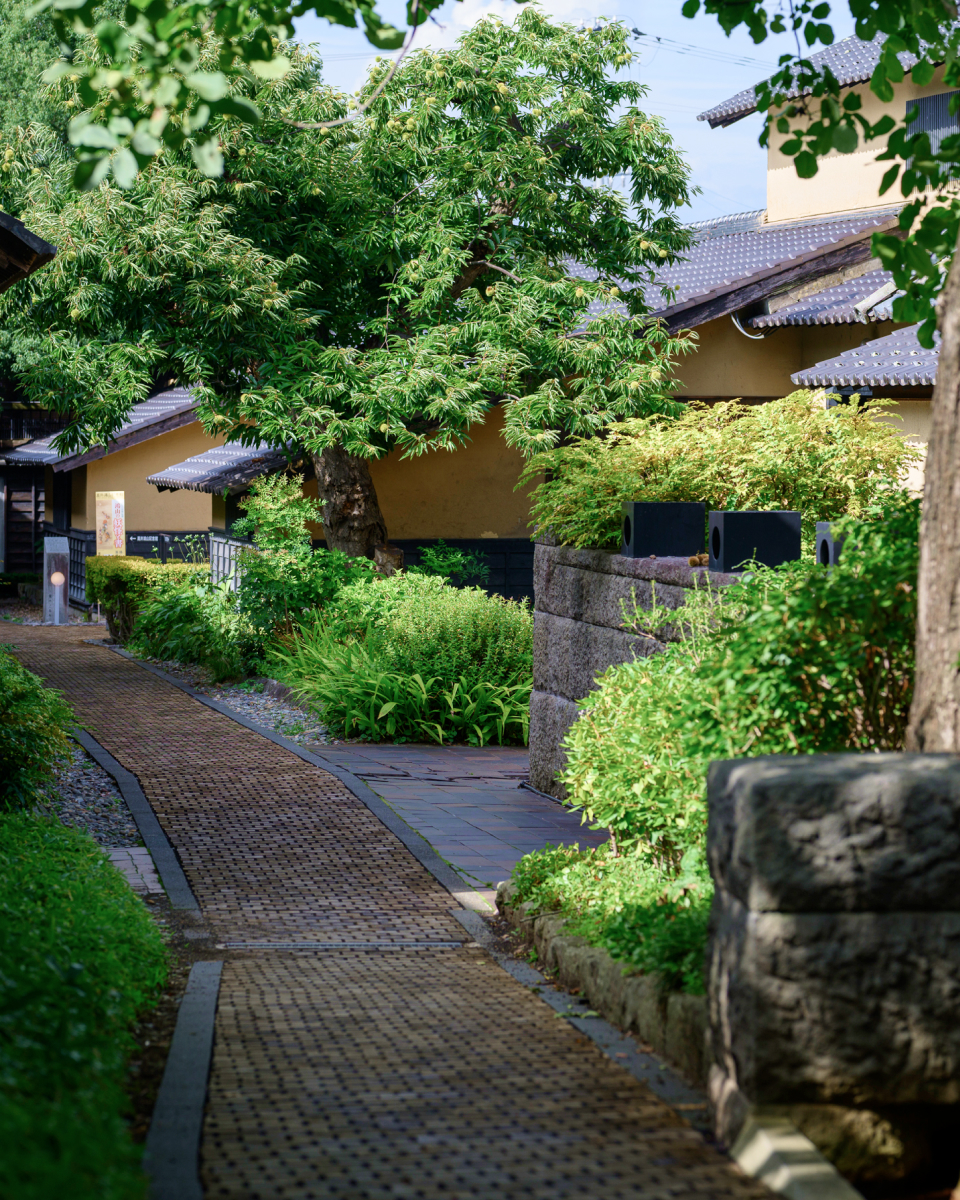
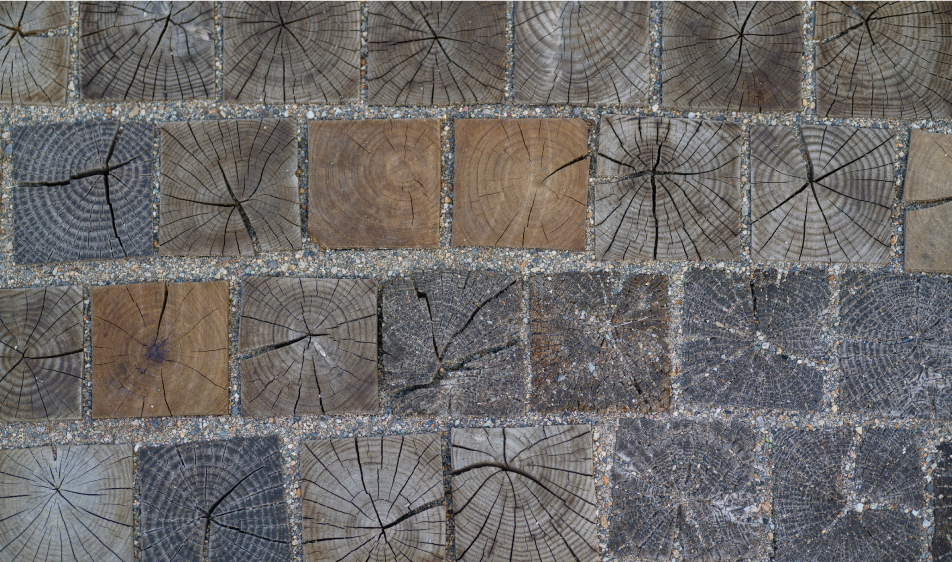
The “Chestnut Path”—a true symbol of Obuse—is a walkway paved with timber from thinned chestnut trees.
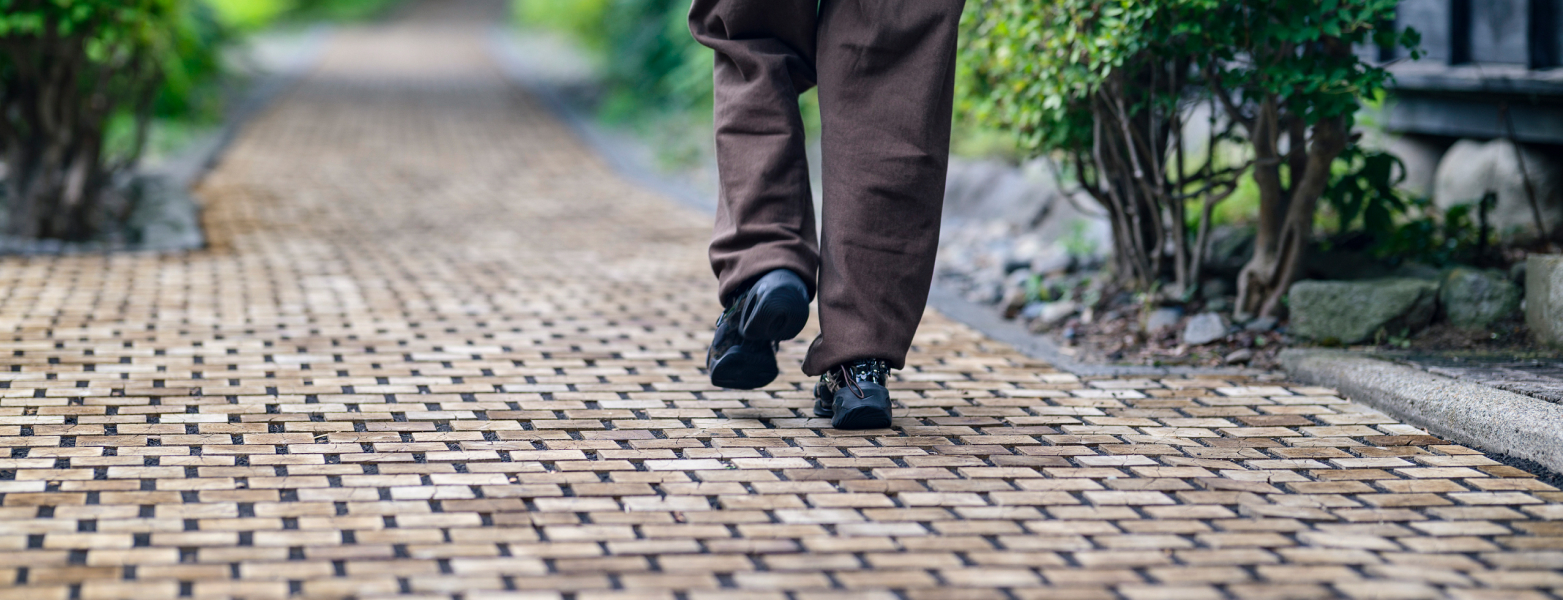
These chestnut-wood “bricks” offer a charming aesthetic, and as you walk along, you can feel the softness and warmth of the wood beneath your feet.
It is a delightful little discovery—one you might stumble upon while admiring the beautiful scenery. We invite you to visit and experience it for yourself.
Tracing the History of Obuse
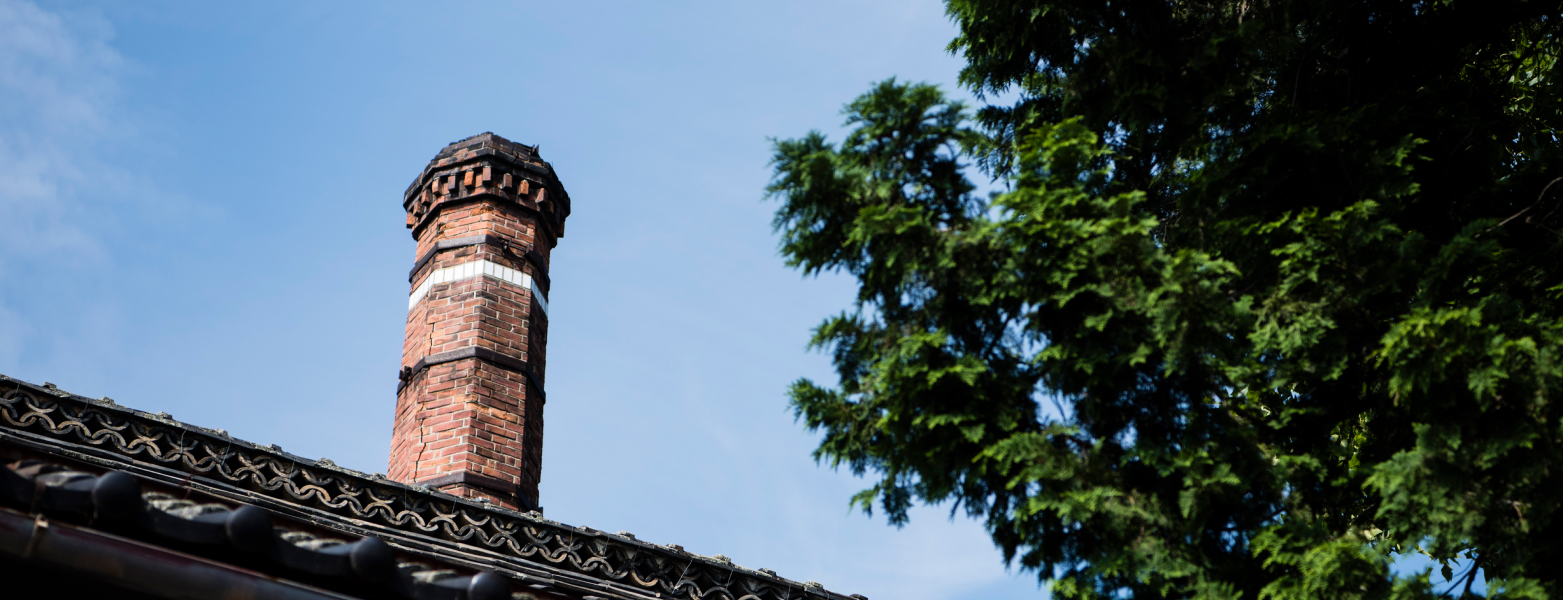
With its sake-brewery chimneys, earthen-walled storehouses, and charming alleyways, the landscape of Obuse invites you to discover the profound depth of its history with every step you take.
The beautiful townscape of Obuse has been shaped through long-standing community development efforts, most notably the “Townscape Preservation and Enhancement Project.”
As you wander through Obuse at your own pace, take the opportunity to experience this rich, layered history firsthand.
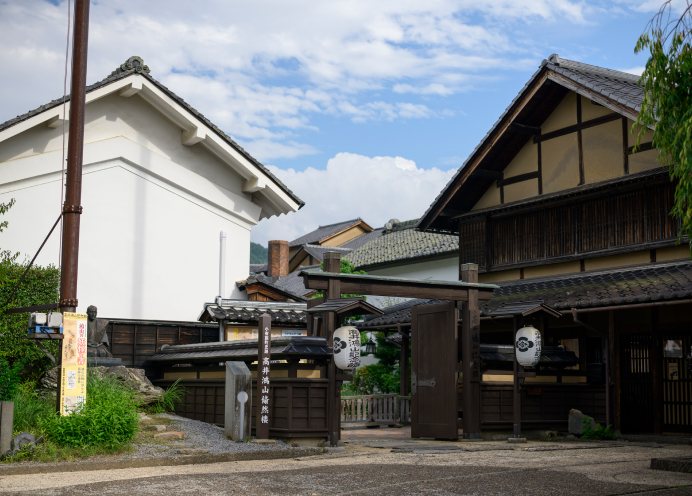
Takai Kōzan Memorial Museum
This memorial museum honors Kōzan Takai, the 12th head of the Ichimura family. Kōzan was a highly active figure during the transition from the end of the Edo period to the Meiji Restoration—most notably, he was the one who invited Katsushika Hokusai to Obuse. The museum showcases his life and achievements, and also features paintings of *yōkai* (supernatural creatures) created by Kōzan himself.
Engaging with art
Obuse is a town where you can encounter a diverse range of art—from the works of Katsushika Hokusai and historical calligraphy and paintings to contemporary Japanese-style paintings (*nihonga*).
You can discover unique charms at various sites, including the Hokusai Museum; Gansho-in Temple, which houses a ceiling painting by Hokusai; the Obuse Museum & Chinami Nakajima Art Museum, dedicated to the works of the local-connected artist Chinami Nakajima; and the Takai Kozan Memorial Hall, which preserves the legacy of Takai Kozan—the man who invited Hokusai to this town.
Many of these attractions are concentrated in the town center, making it easy to explore them all while taking a pleasant stroll through the town.
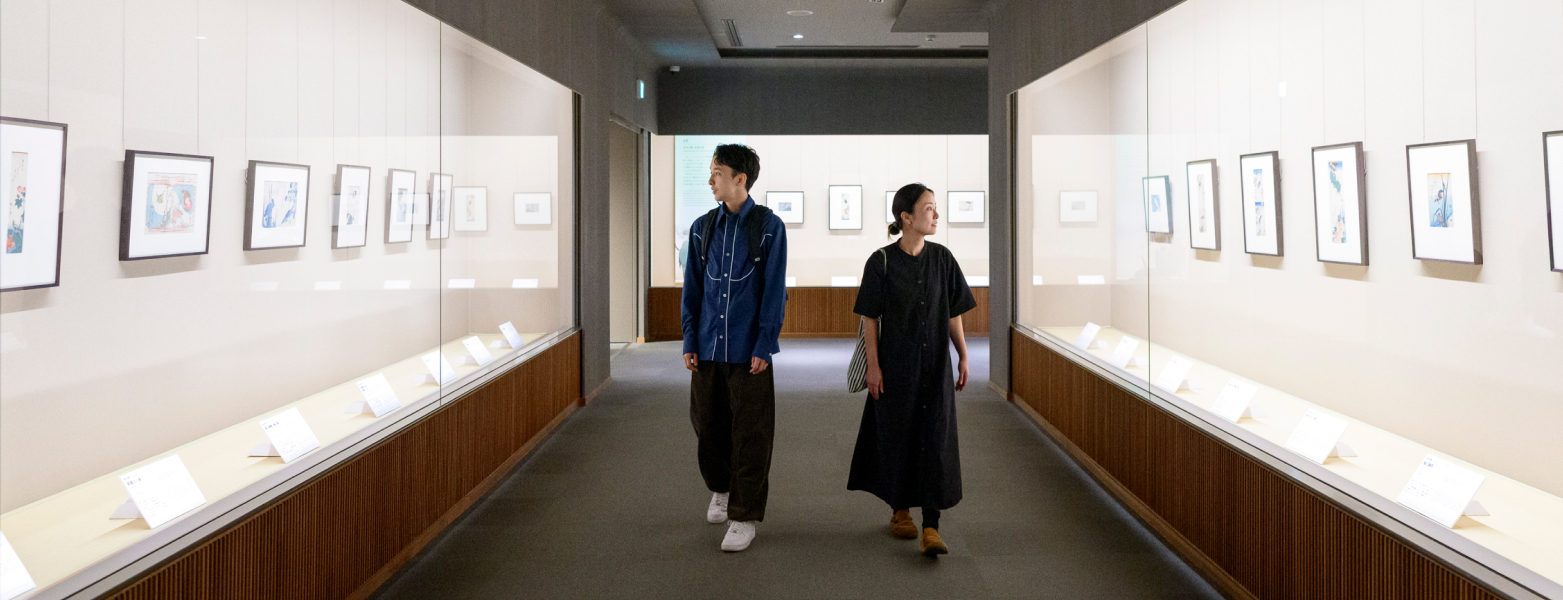
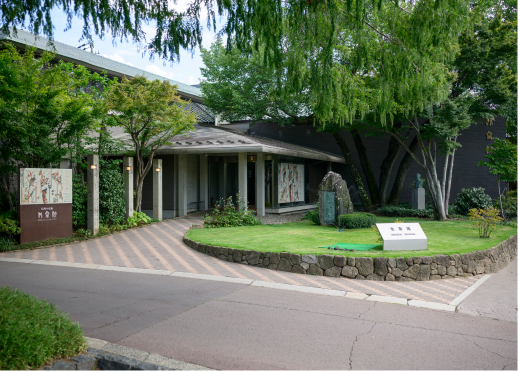
The Hokusai Museum
The Hokusai Museum (Hokusai-kan) primarily exhibits original paintings by Hokusai. Opened in 1976, this facility—which serves as a hub for the preservation and study of his works—helped define the direction for the development of the town of Obuse. It is located right in front of Masuichi Kyakuden.
Gansho-in
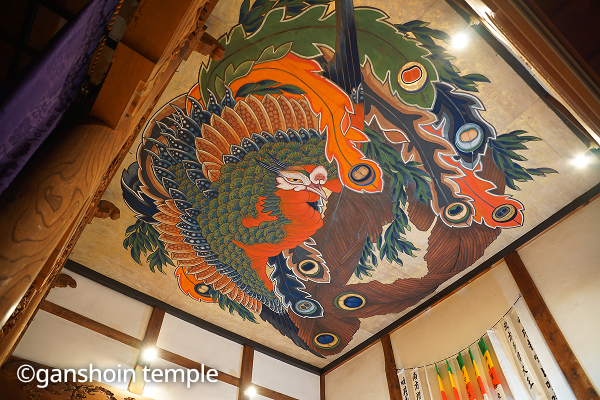
This temple houses a masterpiece by Hokusai: a ceiling painting titled “The Phoenix Gazing in All Directions” (*Happō-nirami Hōō-zu*). It is also home to the mausoleum of the Sengoku-period warlord Fukushima Masanori, as well as the “Frog Battle Pond”—a site associated with a haiku by the Edo-period poet Kobayashi Issa.
Obuse Museum & Nakajima Chinami Gallery
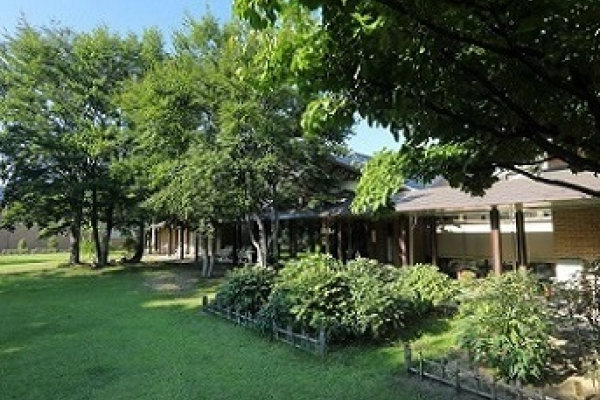
The museum primarily exhibits works by the Japanese-style painter Chinami Nakajima, who has ties to the town of Obuse. It also features facilities such as the “Yatai-gura” (festival float storehouse), where traditional Obuse festival floats—designated as cultural assets—are housed and displayed.
Visiting an open garden
In Obuse, there has long been a tradition known as “oniwa gomen”—a culture where neighbors can freely move between one another’s gardens.
Building upon this, the “Open Garden” initiative has been established, allowing visitors to the town to enjoy and appreciate private gardens.
Beyond the main streets and deeper into the heart of the town, you can gain a closer, more personal glimpse into the daily lives of the people of Obuse.
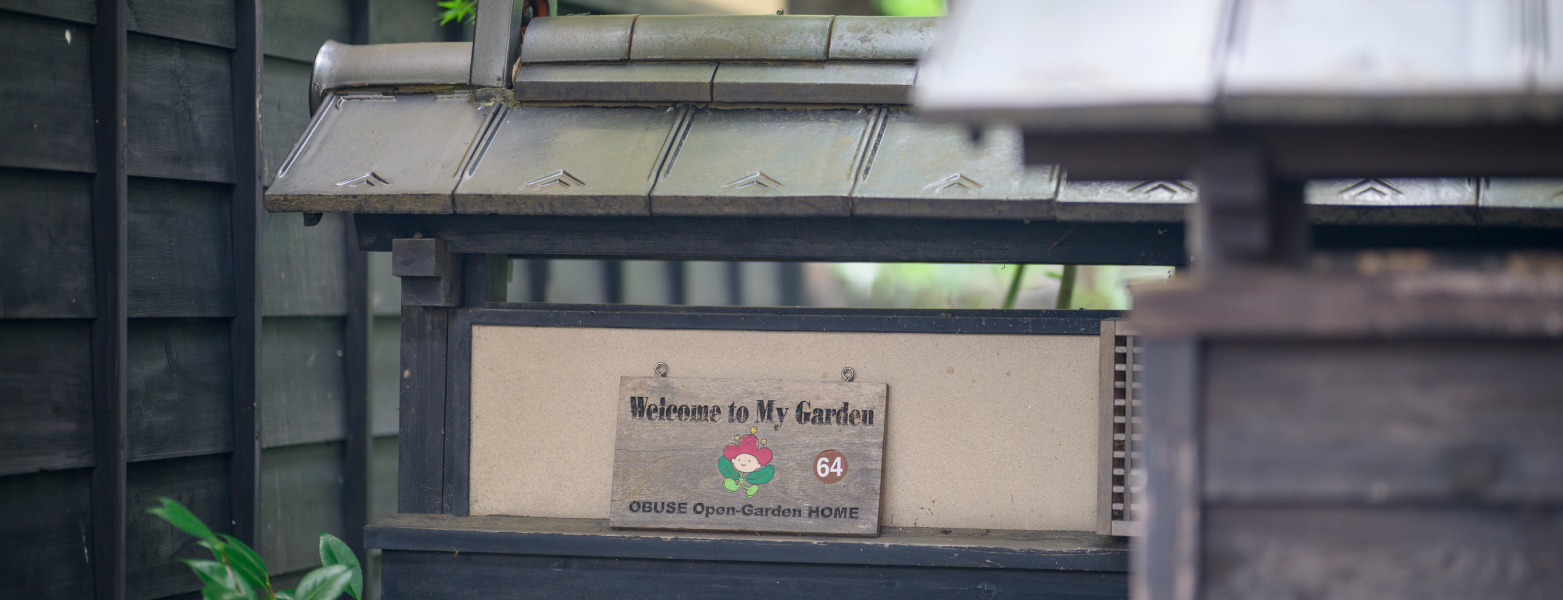
You are welcome to enter any garden that displays an “Open Garden” sign.